
Usage Rights: All content is available for editorial use with attribution to The Ohio State University Wexner Medical Center.

Key Takeaways
A new national survey from The Ohio State University Wexner Medical Center finds more than half of U.S. adults do not consider the following to increase a person’s fall risk:
- Urinary urgency or incontinence
- Anxiety
- Hearing loss
Experts say the top risk for a fall is a previous fall.
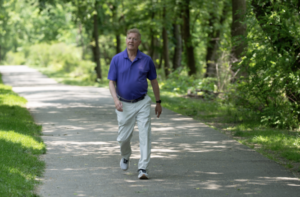
Ben Melancon once charged down football fields and basketball courts without fear. In his 70s, balance problems left him terrified of stairs. He fell more than a dozen times, and the last one left him with nine stitches near his eye.
Michelle Easley, APRN-CNP, a nurse practitioner in the Fall Prevention Clinic at The OSUWMC, says fear leads people to avoid activity, which makes falls more likely. Rushing to the bathroom in poor lighting or leaving behind assistive aids add to the danger.
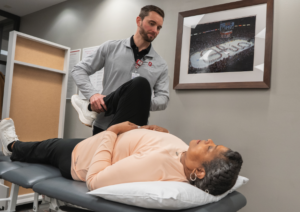
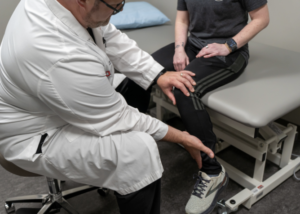
The clinic reviews each patient’s fall history, medications and gait. It then builds strength and balance through physical therapy. Melancon went several times a week for four months, and he hasn’t fallen since.
“They took that fear away from me,” he said. “They changed my life.”